Google Prototypes:
Make another deck? Or make a prototype.
Google Media Labs wanted to show the potential of its products.
Sure, we could have made sexy mood films. But where's the fun in that.
So we spent a year making prototypes. Real ones. Things that actually worked.
360 video. Beacons. New formats nobody had tried yet.
The brief was simple. Find unexpected ways to get agencies excited about what Google could do. But they had to work. Had to be cost effective. Had to deliver real value to clients.
Not just look good in a presentation.
Easy.
YouTube 360º LIVE
When YouTube started rolling out 360º video, we were asked to explore what was possible.
There's always a novelty factor with something like this. Strapping a phone to your head and looking around a virtual environment is fun once. Rarely twice.
So I wasn't interested in the novelty. I wanted to explore how a 360º view could enhance something that was already happening. Not replace the experience. Add to it.
Sport. Music. News. Moments people are already watching.
That's how 360º LIVE came about.
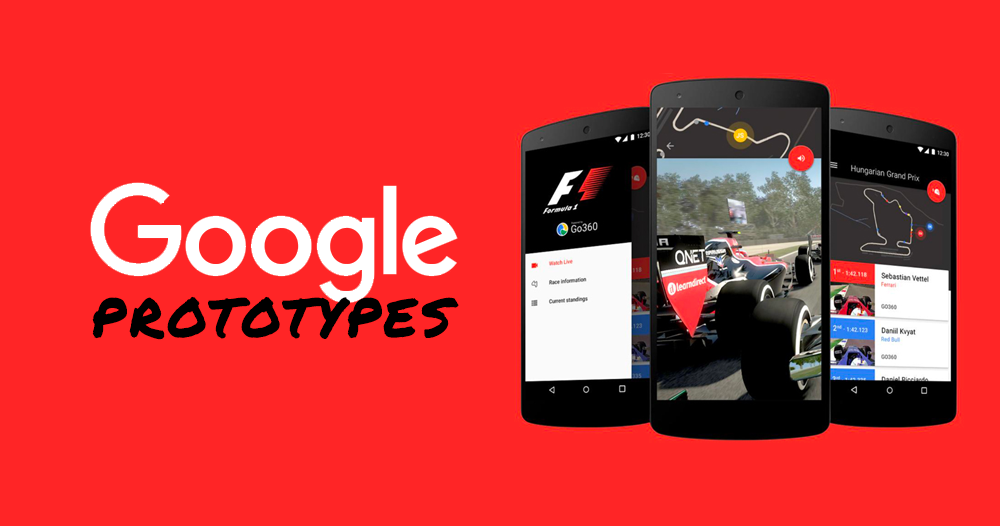
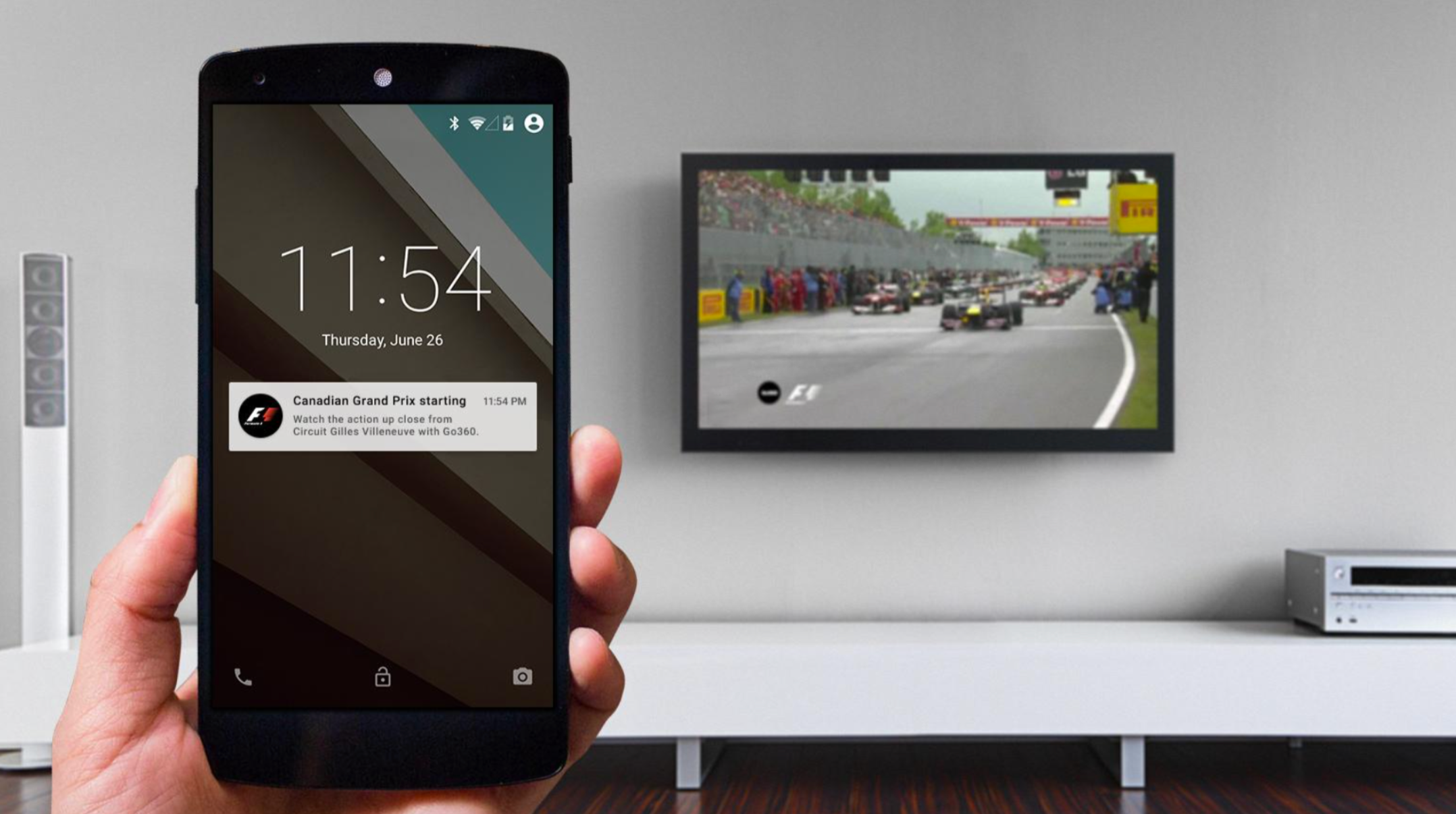
Using the YouTube app and 360º filming, we built a way to give viewers — at home or at the event itself — a different, unedited perspective of the action. A second angle. The one the director didn't choose.
The prototype shows how it could work inside a live broadcast.
We used Formula 1.
MYTOY!
Beacons were the Holy Grail for a while. Imagine walking past a business and getting a message on your phone.
The reality? Nobody wants that. Hard-sell notifications that appear from nowhere get blocked. Then ignored. Then resented.
So I flipped it. What if we gave beacon technology to people instead of businesses. Let them own it. Let them link it to whatever they wanted.
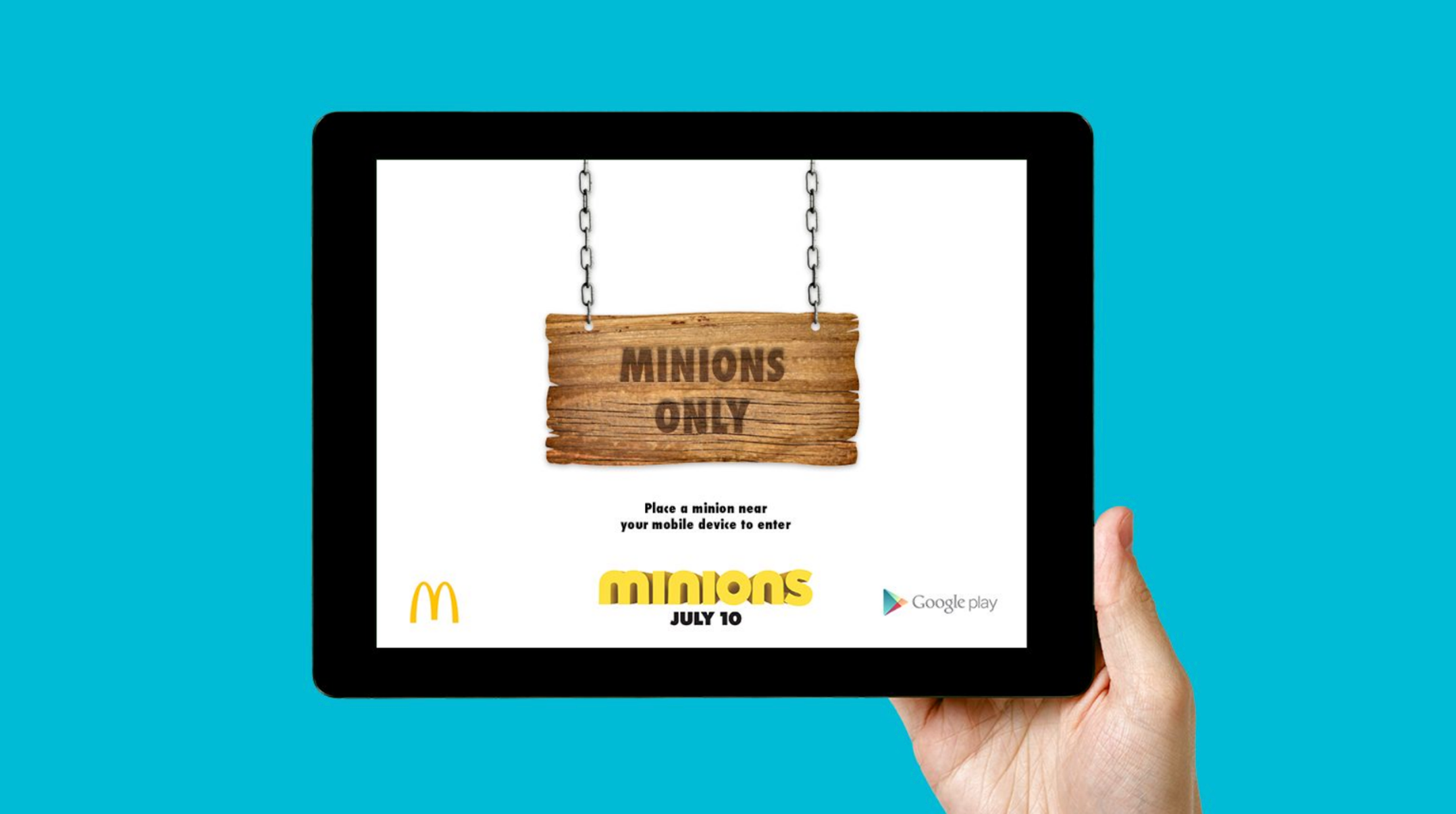
Beacons are small. Cheap to make. Easy to personalise. You could embed the tech into anything — a VIP pass, a loyalty card, a McDonald's Happy Meal toy.
That's how MYTOY came about.
Put the beacon in a kid's toy. Let it unlock content, games, experiences. Something they actually want. Something that feels like magic rather than marketing.
BRANDED MICRO NETWORKS
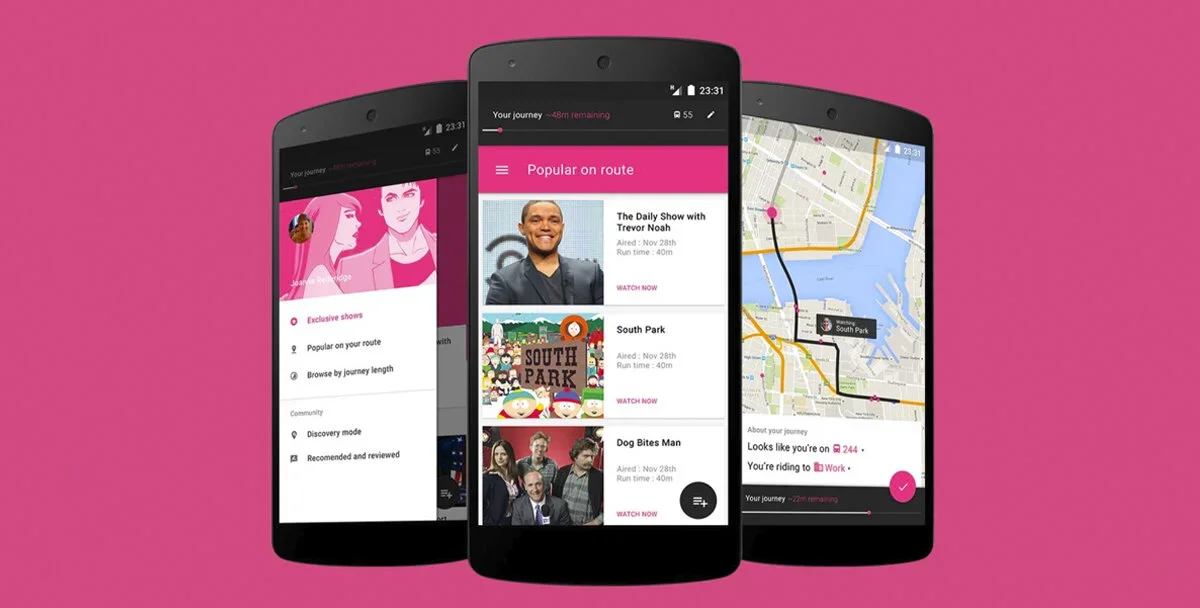
What if a bus was a broadcast channel.
Not an ad on the side of a bus. Not a poster at the stop. The bus itself. A network. Exclusive to the people on it. Gone the moment you get off.
That's what this prototype explored.
Imagine you're on the 291 to Harringay. While you're on that bus you have access to something nobody else does. A show. A game. An experience built specifically for that journey. Tomorrow morning it's there again. Miss the bus, miss it entirely.
We built it around Comedy Central. Launching a new show. Why spend money on citywide media when you could own a specific moment, a specific route, a specific audience — and make them feel like they're in on something.
Scarcity as a media strategy.